

Blog Details
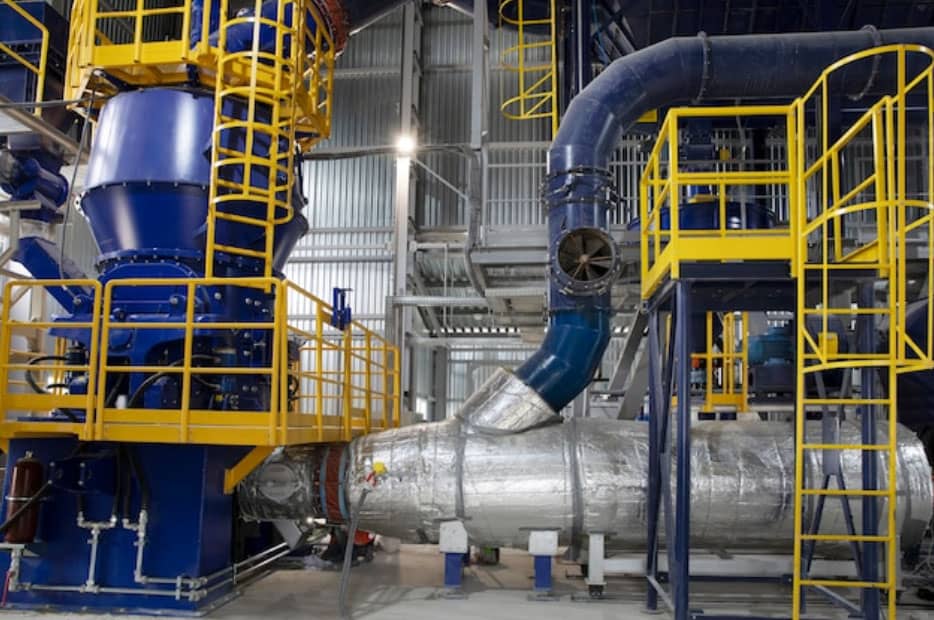
Role of Industrial Piping Systems in Process Industries
1. The Supply Line of Material Flows Piping systems are the central distribution method of conveyance for raw materials, in-process intermediate products and final products.
1.They control the transportation of fluids, gases and slurry through different process units.
2.They help cut down the loss of material and guarantee a steady flow ideal for the stippled production line.
Takeaway: In industries that apply the processing technique of material handling, an effective piping system is mandatory because, left unmanaged, it results in the disorderliness of material flow, which affects quality and throughput.
Industrial piping systems are the unnoticed blind spots of process industries and are indeed the backbone of the industries as they are involved in the movement of fluids, gases or any material from one place to the other in the industrial premise. Whatever the sector – hydrocarbon or food – these are the systems that help the business to run smoothly, safely and productively. This blog discusses the functions and uses of industrial piping systems and components and their relevance in process industries.
2. Contributing to Cost Savings A well-functioning piping system aids in cost optimization in several ways:
1.It helps to minimize loads/ losses and minimizes or reduces the waste material.
2.It reduces maintenance expenses by using durable materials and proper layout designs.
Takeaway: Industrial piping systems are not just requirements for operations, or else they are means, but it is a wise business to ensure cheaper means or ways.
Conclusion The industrial piping system is an important aspect that defines the success and efficiency of process industries. These systems remain as dynamic as the technology and the materials used in engineering them and, as of this, have come up more intelligent and reliable. Protecting systems involving industrial piping is critical for proper running and longevity in any process industry.

